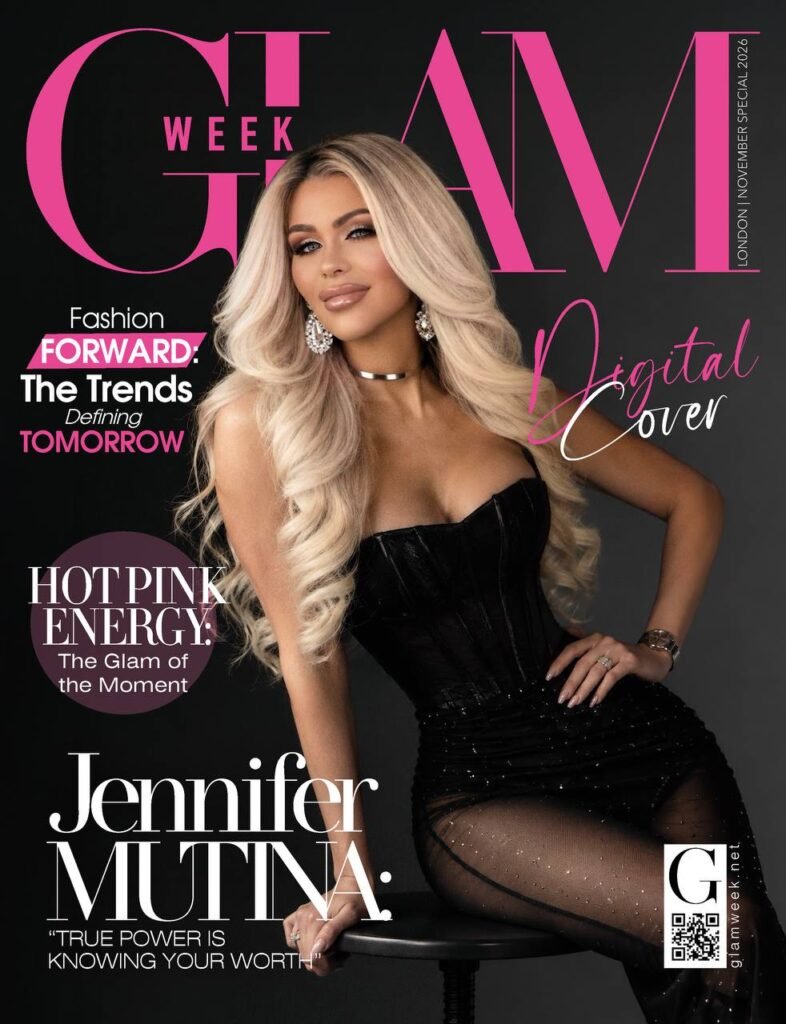
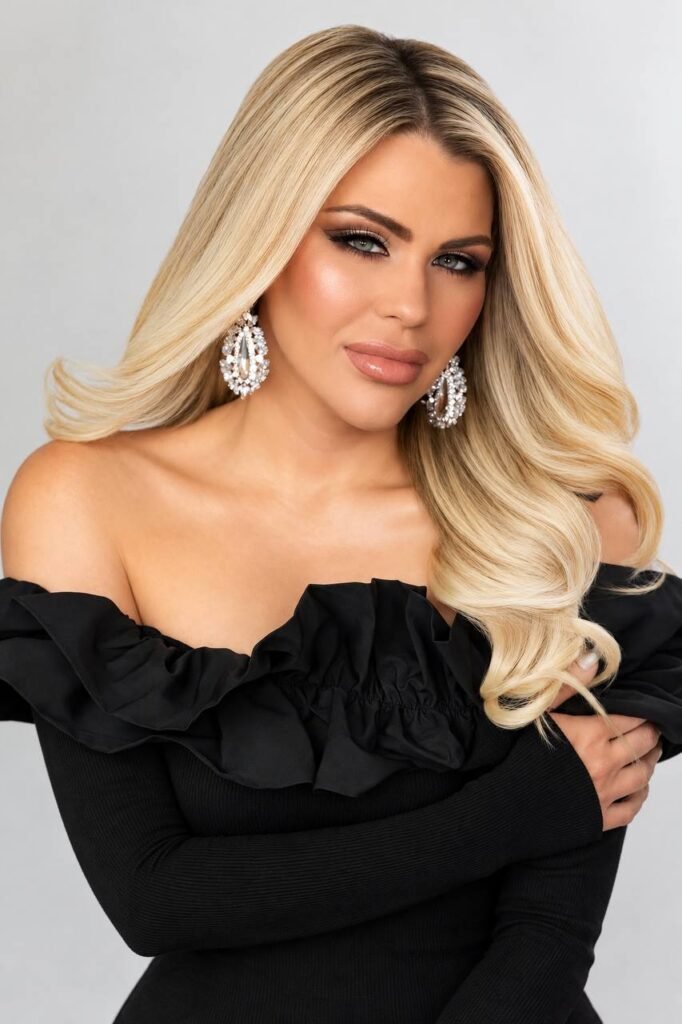
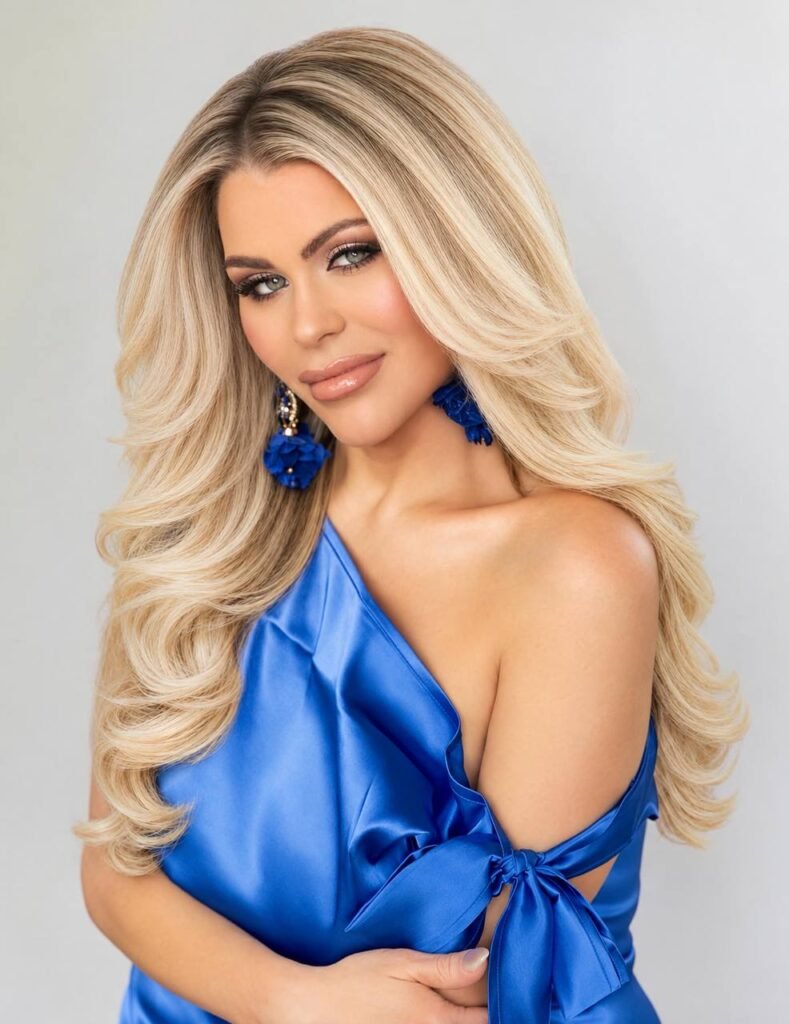
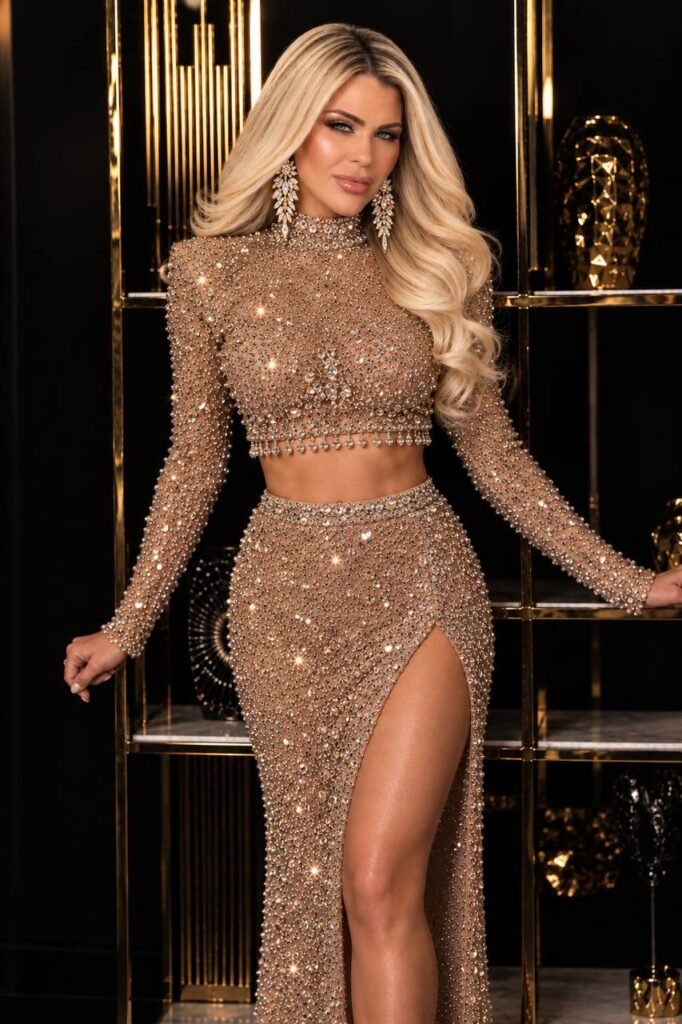
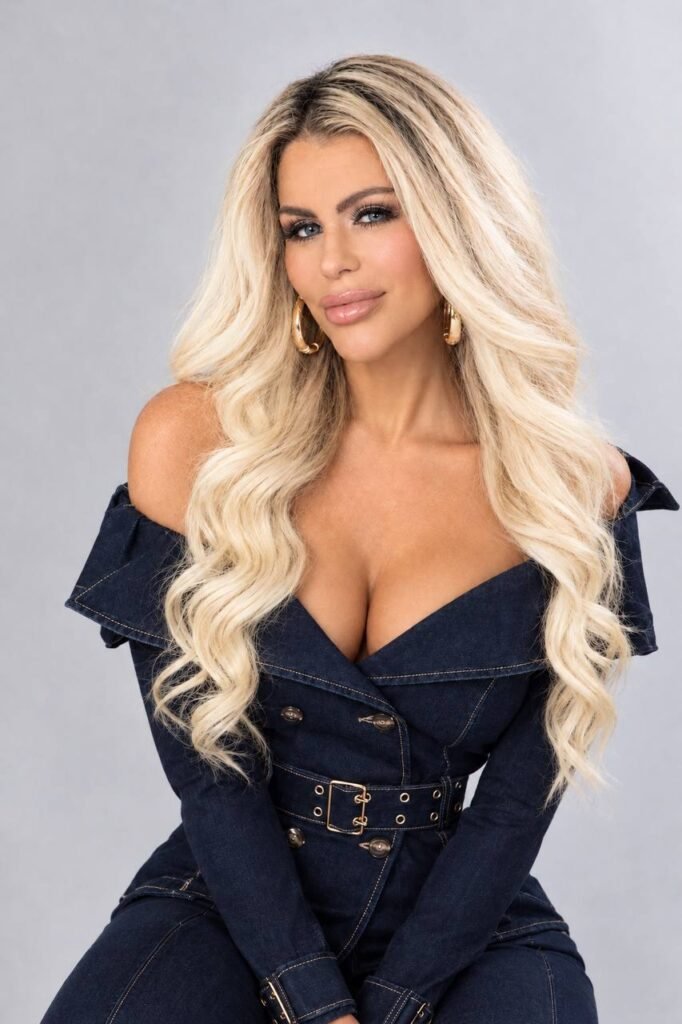
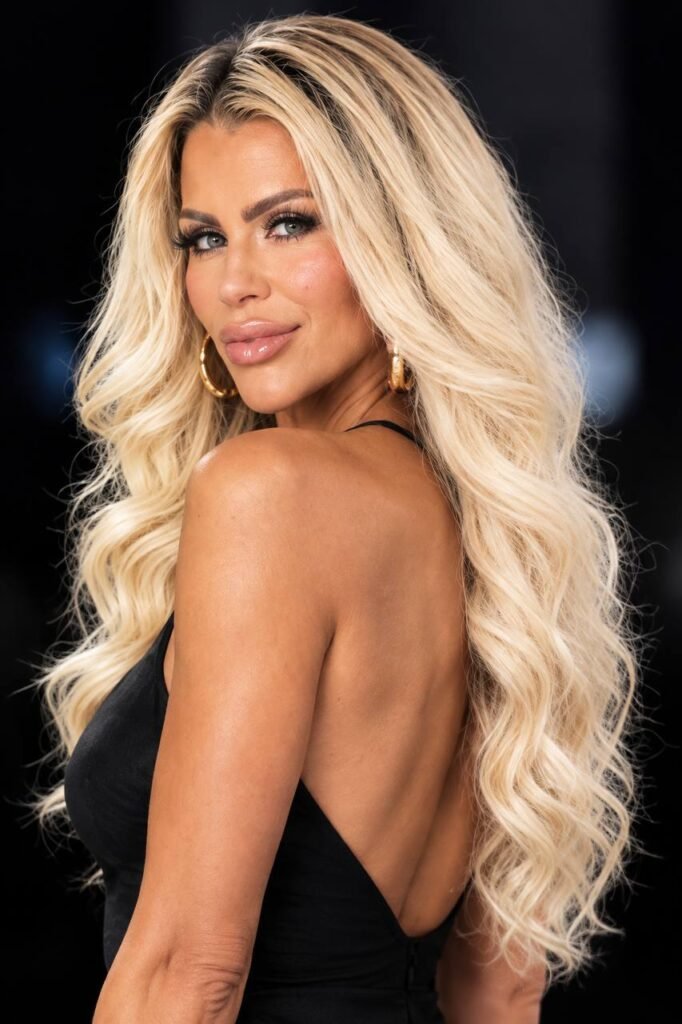
Jennifer, what do you believe makes a woman truly powerful, especially in moments when life asks more of her than she ever expected?
I believe a woman’s true power is found in her ability to keep going, even when life gives her every reason to give up. It’s not about never breaking, never crying, or always appearing strong. It’s about finding the courage to put yourself back together, even when you never imagined you would have to. I’ve learned that some of the strongest women are the ones who have fought battles nobody else knows about. True power is knowing your worth, finding your voice, and understanding that your circumstances do not define your future. A woman can go through the darkest seasons of her life and still become someone who brings light into the lives of others.
You’re pursuing the world of pageantry through RIM and Crown of the World. What first drew you to this world, and what does wearing a crown represent to you personally?
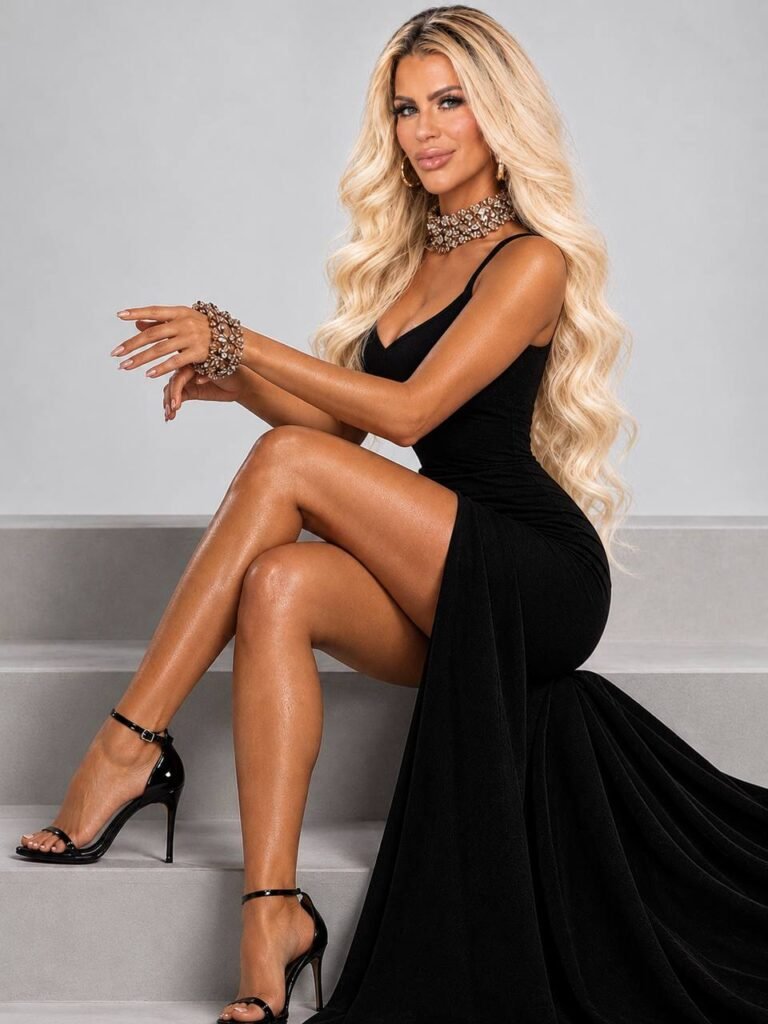
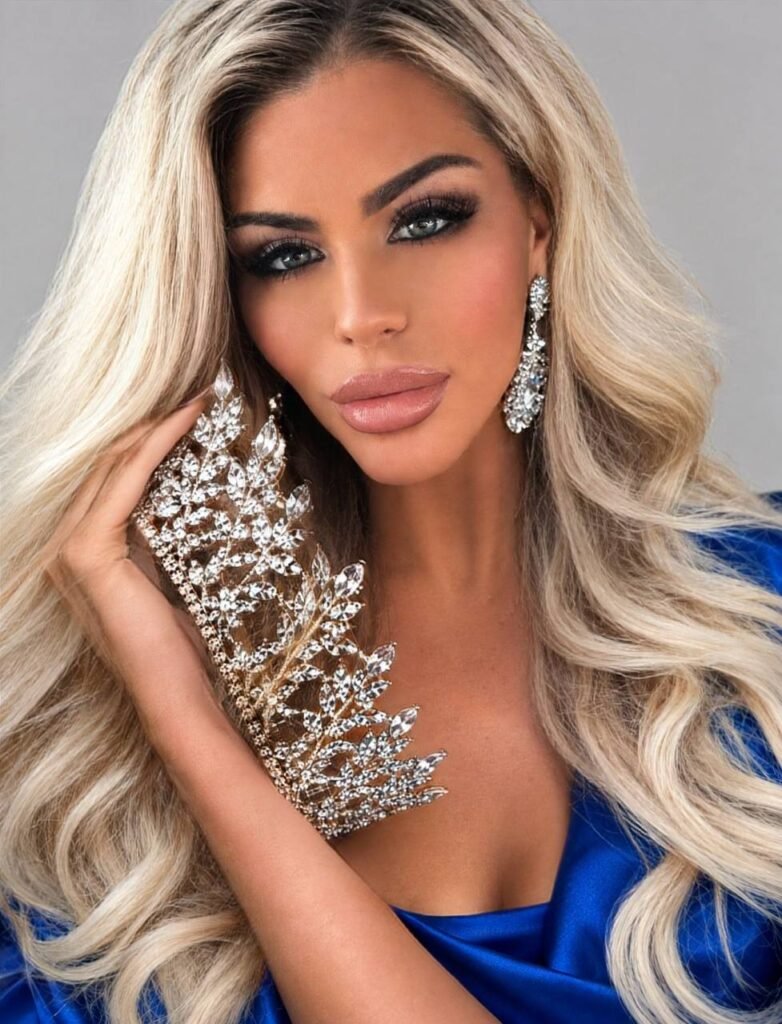
What drew me to pageantry was the opportunity to combine confidence, community involvement, and advocacy. I love that pageantry can be so much more than a beautiful gown, a stage, or a title. It gives women a platform to share their stories, support causes they believe in, and inspire others. Crown of the World is especially meaningful to me because it also gives me the opportunity to honor my Polish heritage, which comes through my grandfather’s side of the family. I proudly carry those Polish roots as part of the legacy passed down through my family. To me, wearing a crown represents responsibility. It represents the women who may not feel they have a voice, the survivors who are still finding their strength, and the little girls who need to see that their past does not determine their future. I don’t want to wear a crown simply to be seen. I want to use it to help others be heard.
You’ve spoken openly about being a domestic violence survivor. How has that experience influenced the way you see love, personal boundaries, and your own sense of worth?
Being a domestic violence survivor changed my perspective on almost everything. I learned that love should never come with fear, control, intimidation, or the loss of your identity. For a long time, surviving was simply about getting through another day. But eventually, I had to understand that I deserved more than just survival. I deserved peace, respect, and a life where I felt safe. It taught me that boundaries are not selfish, that saying no does not require an explanation, and that your worth is never determined by how someone treats you. Today, I am proud of the woman I have become, not because of what I endured, but because I refused to let it define the rest of my life.
Your advocacy gives a voice to women who may still be living in silence. What conversations do you believe society needs to have more openly about domestic violence, and what changes would you most like to see?
I believe we need to stop asking women why they don’t leave and start asking why someone is making it so dangerous for them to stay.
Leaving an abusive relationship is not always as simple as walking out the door. There can be financial control, threats, children involved, fear of retaliation, manipulation, and sometimes the very real possibility of losing your life.
We need more education, better access to resources, stronger support systems, and more compassion for survivors. I also want society to recognize that domestic violence doesn’t always leave visible bruises. Emotional, psychological, financial, and verbal abuse can be just as devastating. Most importantly, I want women to know that they will be believed, supported, and never judged for the time it takes them to find their way to safety. Sometimes the difference between life and death is having someone who listens, believes them, and helps them find a way out.
As a wife and mother of three boys, one of whom passed away in 2025, how do you approach raising your sons to understand respect, emotional responsibility, and what it truly means to treat others well?
As a mother of three boys, two here with me and one forever in my heart, I believe one of my greatest responsibilities is teaching my sons what healthy love, respect, and compassion look like. Losing my son Briggs in 2025 changed my life in ways words will never fully explain. It reminded me just how precious life is and how important it is to make the time we have meaningful.
I want my boys to understand that strength is not about control, intimidation, or having the last word. Real strength is kindness, accountability, compassion, and treating people with dignity. I teach them that no means no, that expressing emotions is okay, that apologizing is a sign of strength, and that women deserve respect in every circumstance.
I also believe children learn more from what we demonstrate than from what we simply tell them. I want them to grow up witnessing healthy relationships and understanding that love should always feel safe. My hope is that the women who one day enter my sons’ lives will never have to recover from them. That is the legacy I want to leave as their mother, and one I know Briggs would be proud of.