
Kourtney Reppert: The Beauty Behind the Empire
April 8, 2026
Anays Leyva: Model, CEO, Main Character
April 19, 2026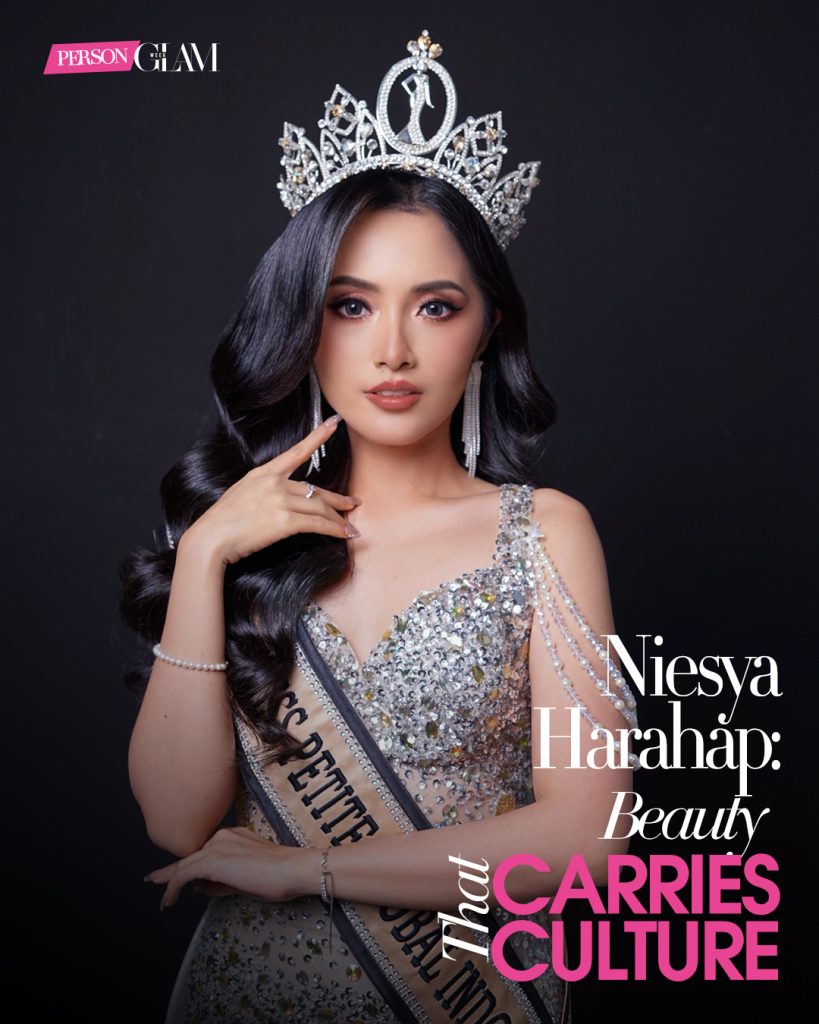
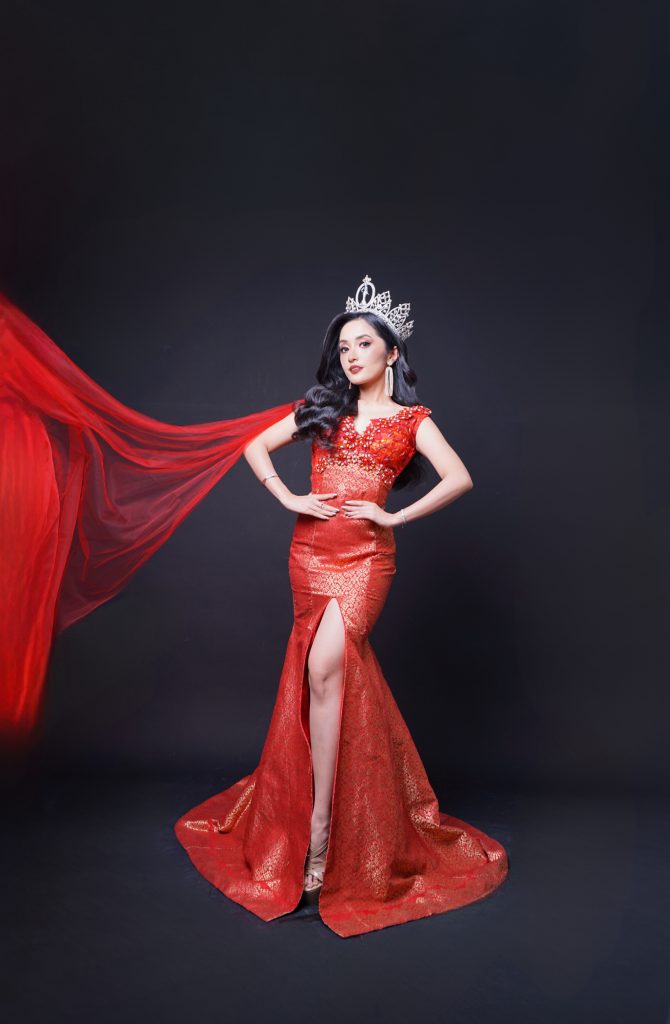
Niesya Harahap represents a new kind of presence in international pageantry — one defined by clarity, discipline, and a strong sense of purpose. As Miss Petite Global Indonesia 2026, she approaches beauty not as an image, but as something rooted in identity, culture, and lived experience.
Her path into pageantry is built on years of work as a cultural ambassador, where representation has never been performative, but consistent and real. Through her work in the arts, advocacy, and international platforms, she brings a perspective shaped by depth rather than display — one that connects culture, communication, and responsibility.
Alongside her titles, music remains a central part of how she expresses herself, adding a layer of honesty that contrasts with the expectation of perfection often associated with the industry. That balance — between structure and openness, presence and substance — defines the way she moves.

Niesya, you’ve achieved remarkable recognition in international pageantry — what first inspired you to step into this world, and what keeps you motivated today?
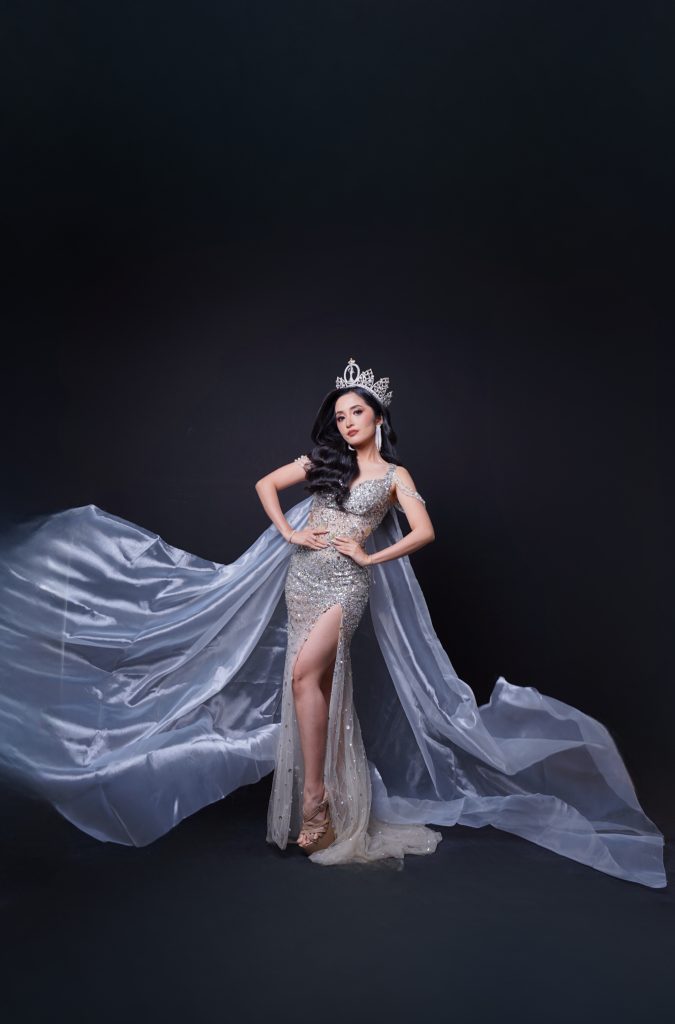
I have always seen pageantry as a form of ambassadorship, a platform where women are given the opportunity to represent ideas, values, and causes greater than themselves. In many ways, that is what first drew me toward it, because advocacy and representation have already been central to my life long before I entered the pageant world.
For over a decade, since 2015, I have served as a cultural ambassador through my work with Sanggar Seni Mataniari, where I currently serve as director. Through this platform, I have had the privilege of representing Indonesian culture in both national and international spaces, with performances at events such as Frankfurt Book Fair 2015 in Germany, Europalia Arts Festival 2017 in Belgium and the Netherlands, as well as performances in New Zealand and a five-city tour across Spain. This year, I was also honored to lead a government-funded cultural preservation initiative under the Indonesiana Endowment Fund by the Ministry of Culture of Indonesia, which has further strengthened my commitment to preserving and advocating for cultural heritage.
Because of that background, entering pageantry felt like a natural evolution of the work I have already been doing, it offered me a new avenue to expand the way I advocate, communicate, and represent the values I care deeply about. That’s what makes me
That journey was affirmed when I represented Indonesia at Miss Cultural International 2025, where I was honored to place as 5th Runner-Up and receive the Best Advocacy Award. That experience reinforced my belief that pageantry can be a meaningful space for women who lead with substance, purpose, and a message beyond appearance.
What made it even more meaningful for me is how platforms like Miss Petite Global, where I will be competing on May 2026 in Kuala Lumpur Malaysia with other contestants from 23 different countries, are redefining what representation can look like. I deeply admire its initiative in creating a more inclusive space within pageantry, challenging conventional beauty standards and allowing petite women to be recognized and celebrated in their own right. To me, that reflects a broader and much-needed shift toward representation that is more diverse, empowering, and reflective of real women.
Being Miss Petite Global Indonesia 2026 has therefore become more than a title, it is an extension of the ambassadorial work I have carried for years, now in a new form and on a wider platform.
What continues to motivate me is the belief that visibility should always be paired with purpose. That when you are given a platform, it becomes your responsibility to use it in a way that creates meaning beyond yourself.
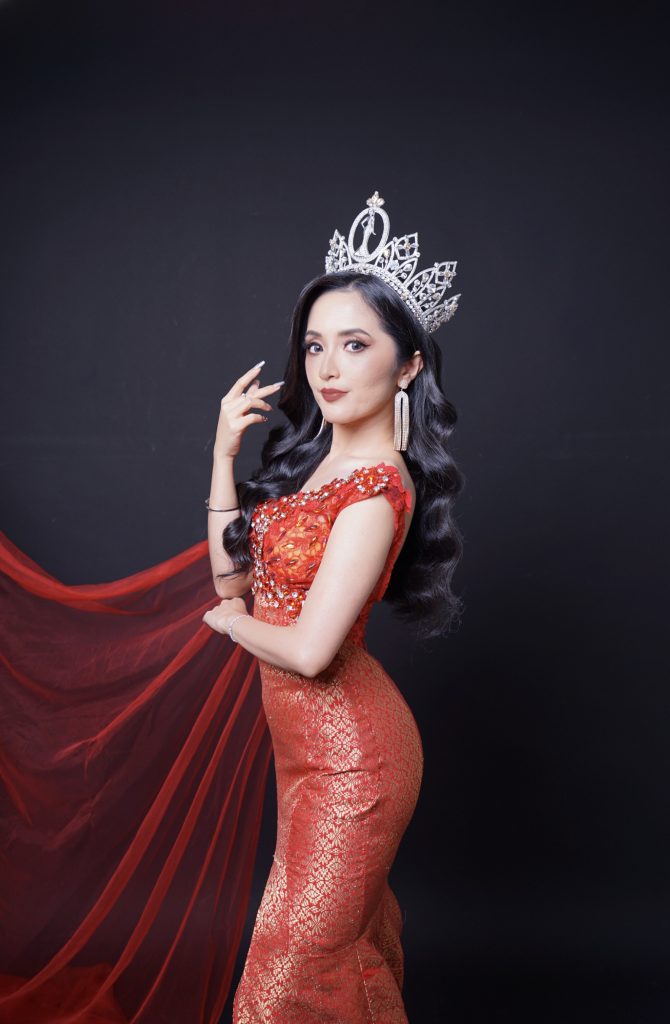
Representing Indonesia on a global stage comes with both pride and responsibility — how do you personally define your role as a cultural ambassador?
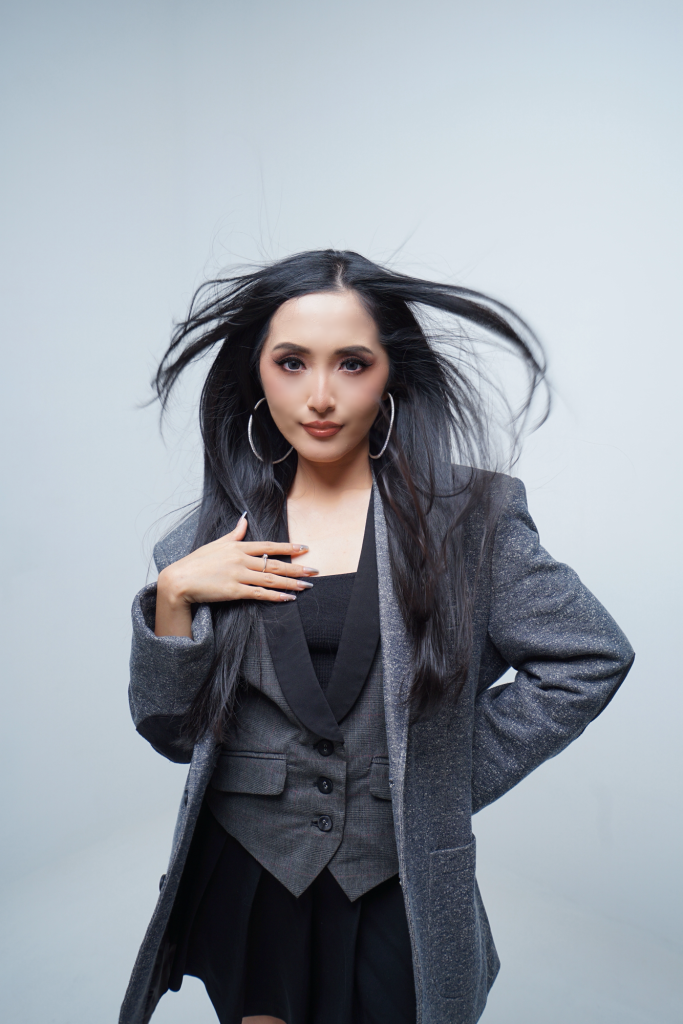
I think the most honest way to represent a culture is to stop trying to perform it.
I don’t carry Indonesia as something ornamental. I carry it as something lived, something that shaped how I think, how I feel, how I connect. Culture, for me, is not just what I wear on stage, but what I embody even when no one is watching.
As Miss Petite Global Indonesia 2026, I don’t aim to simplify Indonesia for the world. I aim to translate it without losing its soul. Because Indonesia is not one story, it is many layers, many voices, many complexities. And that’s exactly what makes it beautiful.
To me, true cultural ambassadorship is about allowing people to encounter that richness in a way that feels genuine, so they not only witness our culture, but understand the depth, humanity, and identity that live within it.
Alongside your pageant titles, you are also a musician — how does music influence your identity and the way you express yourself publicly?
I have learnt Piano dan Ballet since the age of 6. I also made my first song when I was in High School. In music and art, I find liberation. I have explored various of activities such as being in a band to performing as a soloist in a choral drama. Music and art is where I don’t have to explain who I am, where I can dive into the vulnerable side of mine.
Before any title, before any recognition, I was already expressing myself through music and art. Music taught me how to feel deeply, how to listen, and how to translate my emotion. It’s not just something I do, it’s how I process the world.
In pageantry, there’s often an expectation to be composed, polished, and precise. But music reminds me that there is power in vulnerability. That not everything needs to be perfect to be meaningful.
I think that’s why, even in public spaces, I don’t try to be flawless, I try to be real. Because at the end of the day, people don’t remember perfection. They remember what made them feel something.
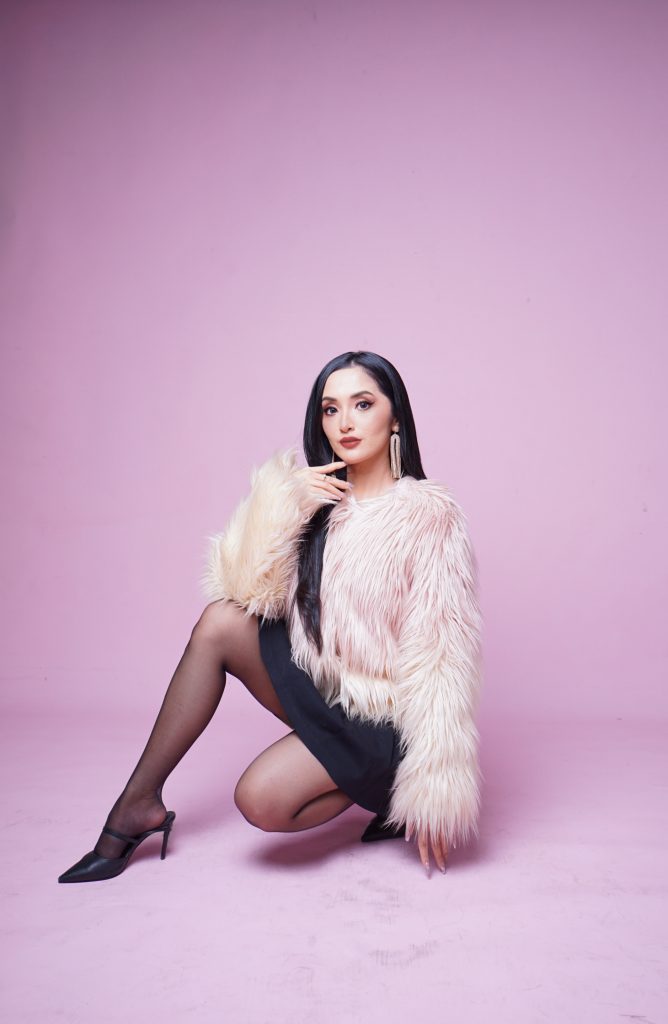
Advocacy is an important part of your journey — could you share what causes are closest to your heart and how you aim to make an impact?
I’ve always been drawn to the quiet spaces, the ones where voices exist, but are rarely heard.
My work in minority literacy comes from that awareness. From realizing that many of the divisions we see in society are not rooted in hate, but in unfamiliarity. We are often taught to fear what we don’t understand.
Having worked closedly with Parmalim people, an indigeneous religion minority group in Mataniari makes me realize the struggle that minority groups are facing. As a social psychologist, I study those patterns. But as a human being, I feel and empathize with the impact. And that’s where my work begins.
I don’t believe in forcing change through loud declarations. I believe in creating moments, through art, through dialogue, through shared experiences, where people begin to question their assumptions. Because the most powerful shifts don’t happen when people are told they are wrong, but when they realize something new on their own.
That’s why through pageantry, I want to use this platform not just to speak, but to open doors, even if just a little. The way I see it, awareness is quiet, but it changes everything.
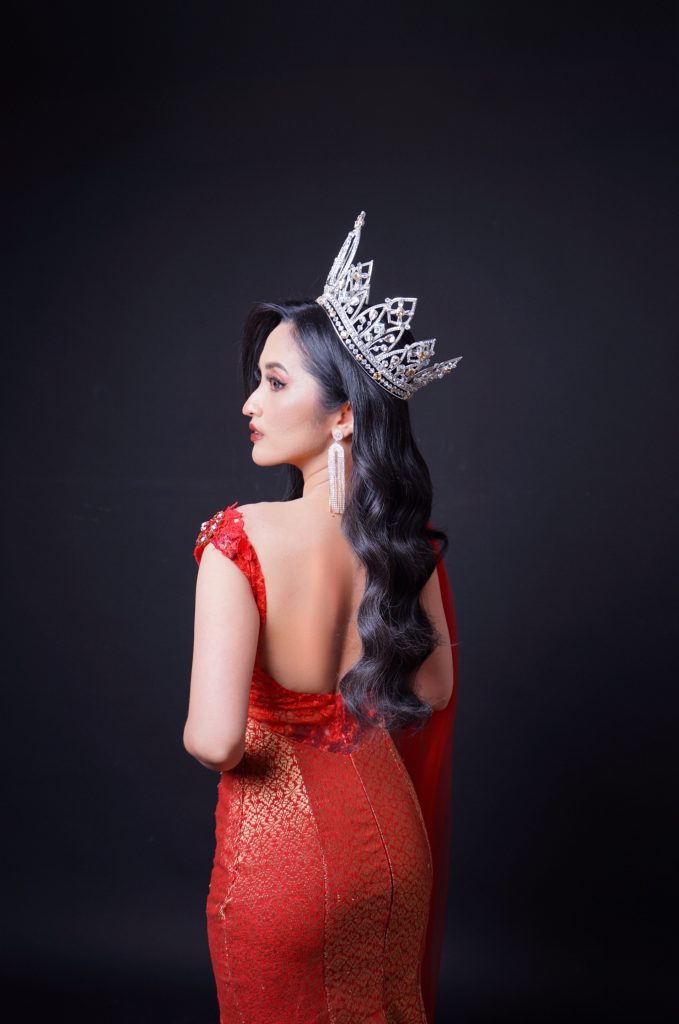
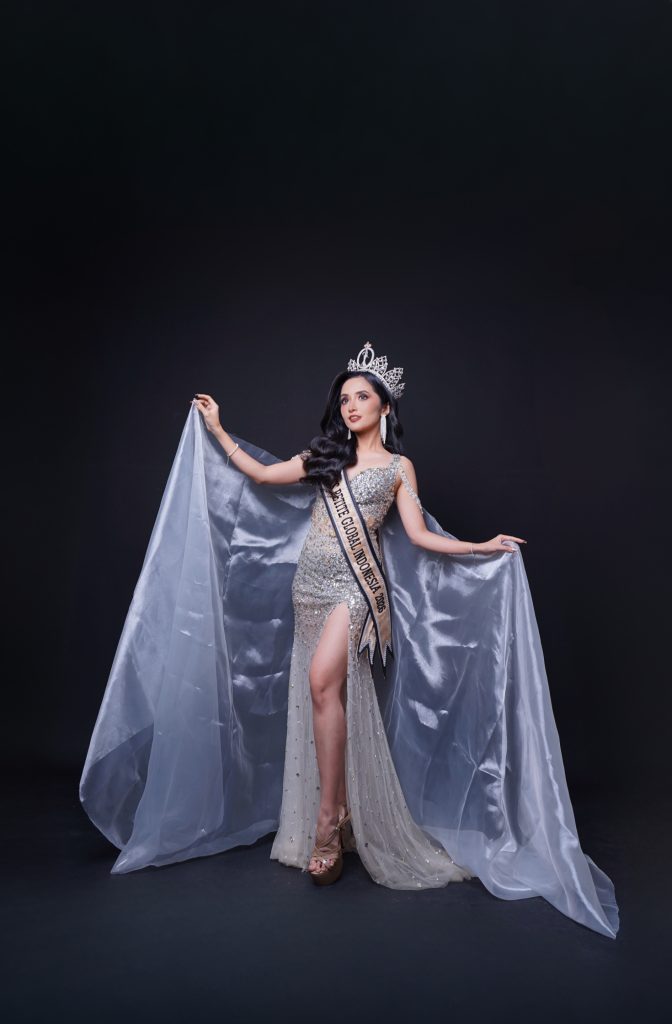
Looking ahead, how do you envision your path evolving beyond pageantry — what kind of legacy would you like to build?
I see my journey as something that continues to grow in layers, rather than moving from one title to another.
Being Miss Petite Global Indonesia 2026 is a meaningful part of that journey, it reflects not only a moment, but the values, work, and perspective I’ve been building over time. What I bring into this space is not just presence, but a combination of disciplines that shape how I see the world: social psychology, music, and cultural work. And I think that intersection is what allows me to contribute in a way that feels both grounded and relevant.
Moving forward, I want to expand that contribution. As a director of Sanggar Seni Mataniari, through my research and movement that I make in Receptive Institute for Minority Literacy, and through the platforms I’m part of, I hope to create spaces where culture is not only preserved, and issues concerning minority problems could be brought up in ways that resonate with today’s generation. Especially in a time where identity can feel fragmented, I want to offer something that reconnects people, to their roots, and to each other.
I’ve come to understand that impact is not about standing in one role, but about how you carry that role into different spaces. And for me, this title is something I carry with intention, not just as recognition, but as responsibility.
Because in the end, what matters is not only how you are seen, but what continues because you were there.
A belief I hold close: Know your roots, therefore you know yourself, and from there, you can move forward without losing your life purpose.